Now Reading: Essential Repair Tools for Phone, Tablet & Laptop Repairs
-
01
Essential Repair Tools for Phone, Tablet & Laptop Repairs
Essential Repair Tools for Phone, Tablet & Laptop Repairs
Having the right repair tools is just as important as following the correct repair steps. Whether you are repairing a smartphone, tablet, or laptop, using proper tools helps prevent damage, saves time, and improves overall repair quality.
This guide is a summary-style overview of the most essential repair tools used across phone, tablet, and laptop repairs. Each tool is briefly explained, with links to detailed guides where applicable.
Core Repair Tools (Must-Have)
Heat Mat / Heating Pad
A heating pad (heat mat) is one of the most important tools in modern device repairs. It provides even, controlled heat to soften adhesive used on screens, back covers, and batteries.
Why it’s essential:
- Safely opens screens and back covers
- Reduces risk of glass cracking
- Ideal for phones, tablets, and Surface devices
👉 Learn how to safely remove screens and back covers using a heating pad →
👍 This heating Pad will Do the Job Perfectly
Portable Heat Gun
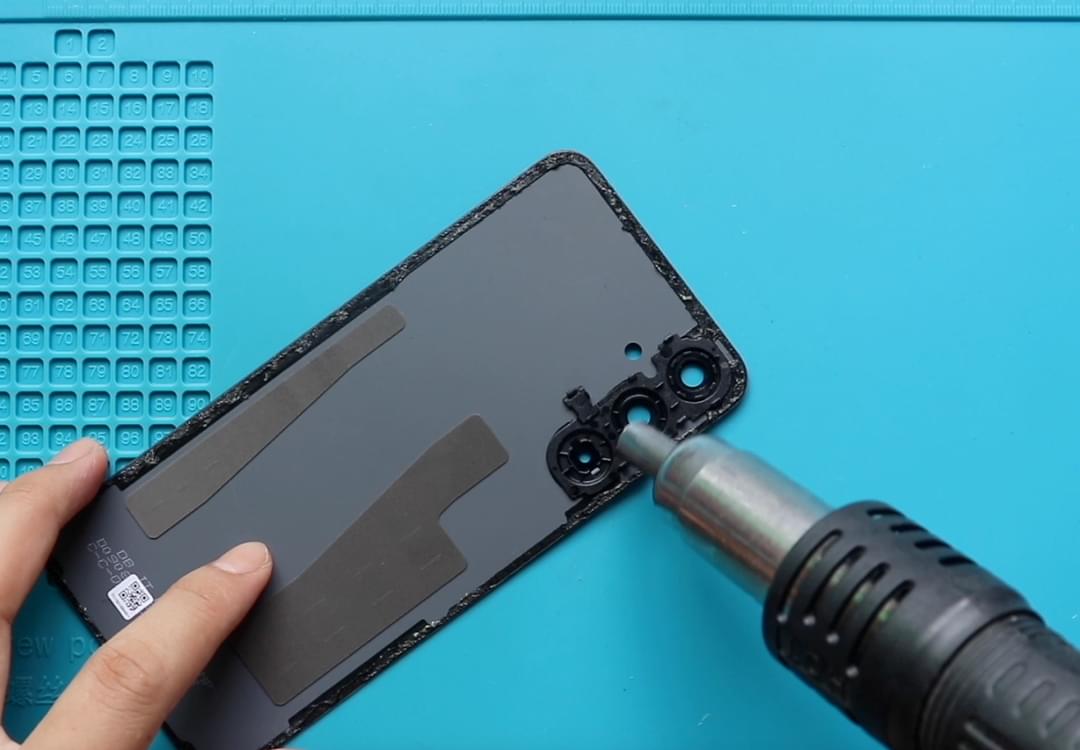
A portable heat gun is useful for spot heating and tasks where localized heat is required.
Common uses:
- Removing small components (earpiece, vibrator motor)
- Loosening battery adhesive (edge heating)
- Softening stubborn adhesive in specific areas
👉 How to use a heat gun or hair dryer safely for repairs →
👍 This Heat Gun Suits for Device Repairs
Screwdriver Kit (Multi-Bit with Pry tool/Tweezer)
A precision screwdriver kit is essential for accessing the many screw types used in phones, tablets, and laptops.
Recommended features:
- Multi-bit sets (28-in-1, 48-in-1, 72-in-1)
- Pentalobe, Phillips, Tri-Point, Torx bits
Quality kits prevent stripped screws and make repairs safer and faster.
👉 What Type of Screwdrivers Need For Device Repairs
👍 Best Screwdriver Kit with Pry Tools (142 Pcs Set)

Pry Tools & Tweezers
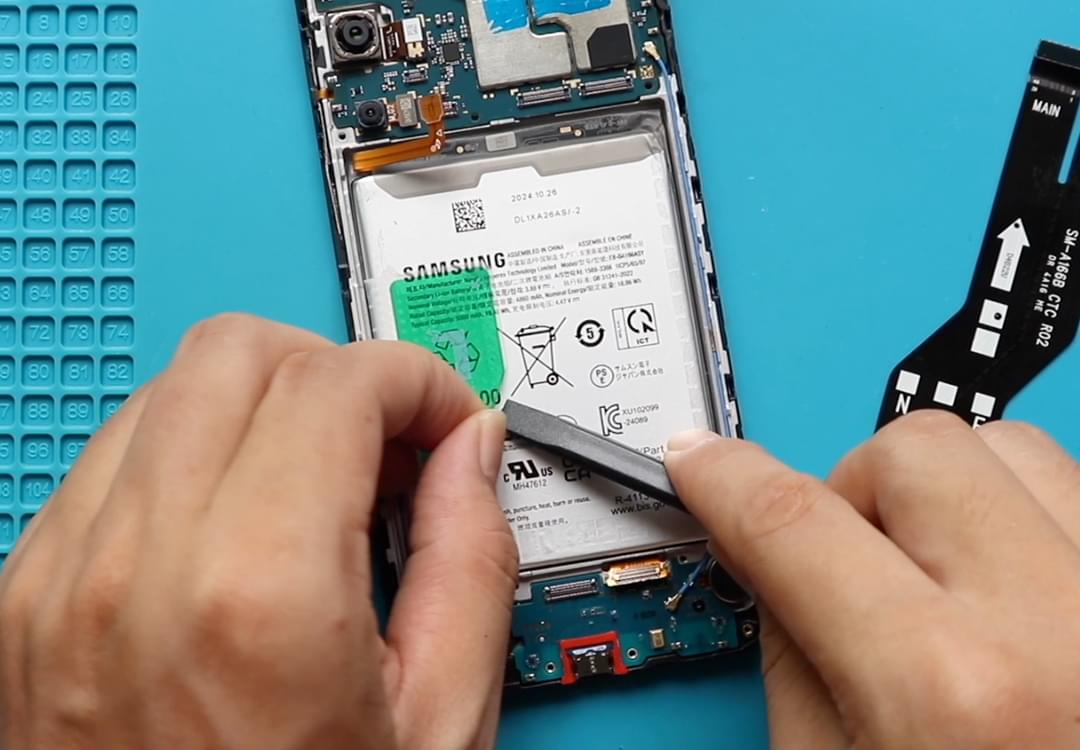
Pry tools and tweezers are small but critical tools in phone, tablet, and laptop repairs. They are commonly included in precision screwdriver kits and are used throughout almost every repair process.
Pry Tools (Plastic / Nylon / Metal):
- Safely separate screens and back covers after heating
- Disconnect battery and display connectors
- Lift brackets and adhesive without damaging components
Plastic or nylon pry tools are preferred for sensitive areas because they reduce the risk of short circuits and scratches.
Tweezers:
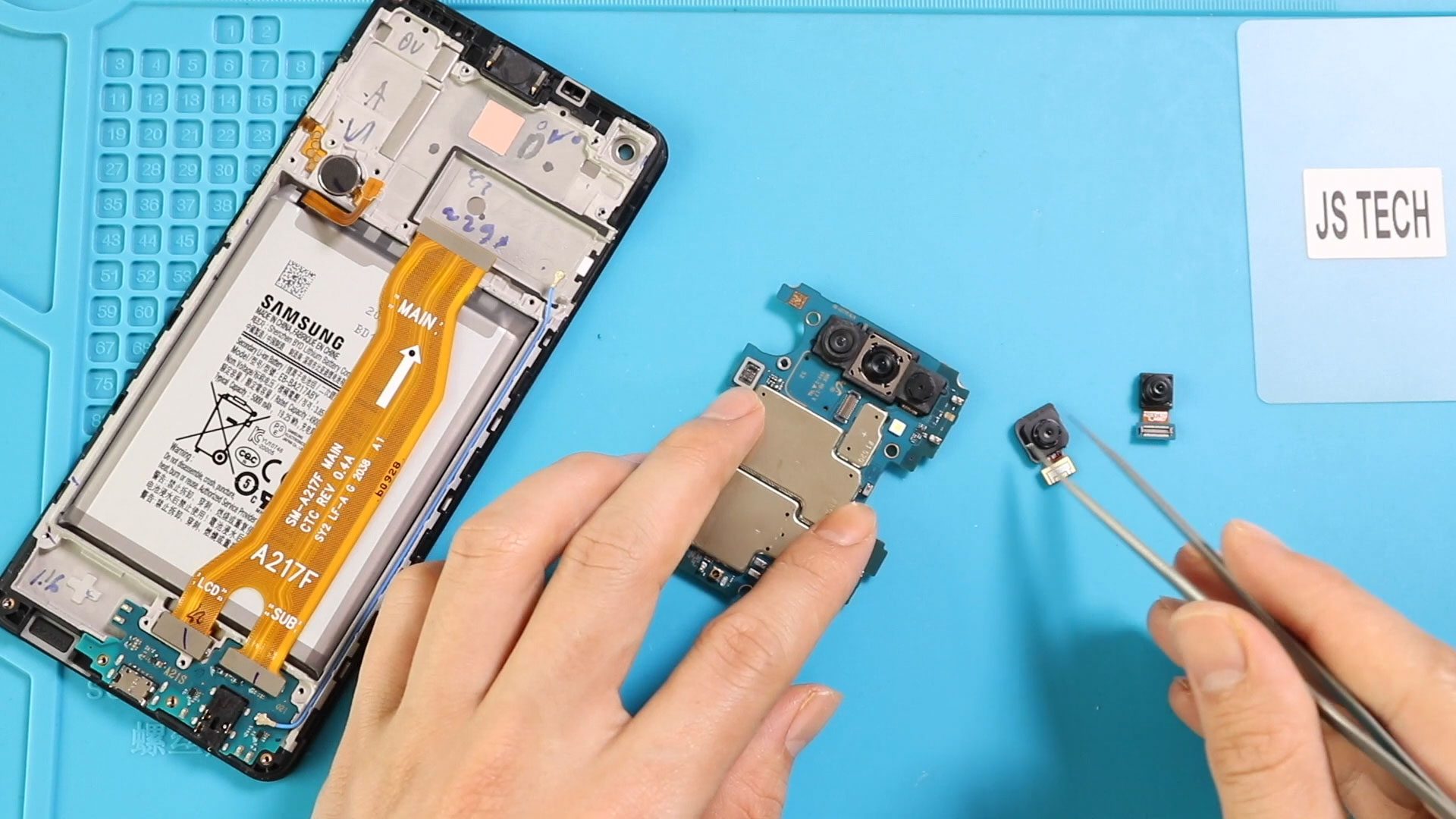
- Handle small screws and connectors
- Position cables and flex connectors accurately
- Remove adhesive strips and small components
Using proper pry tools and tweezers improves precision, reduces accidental damage, and makes repairs cleaner and more controlled.

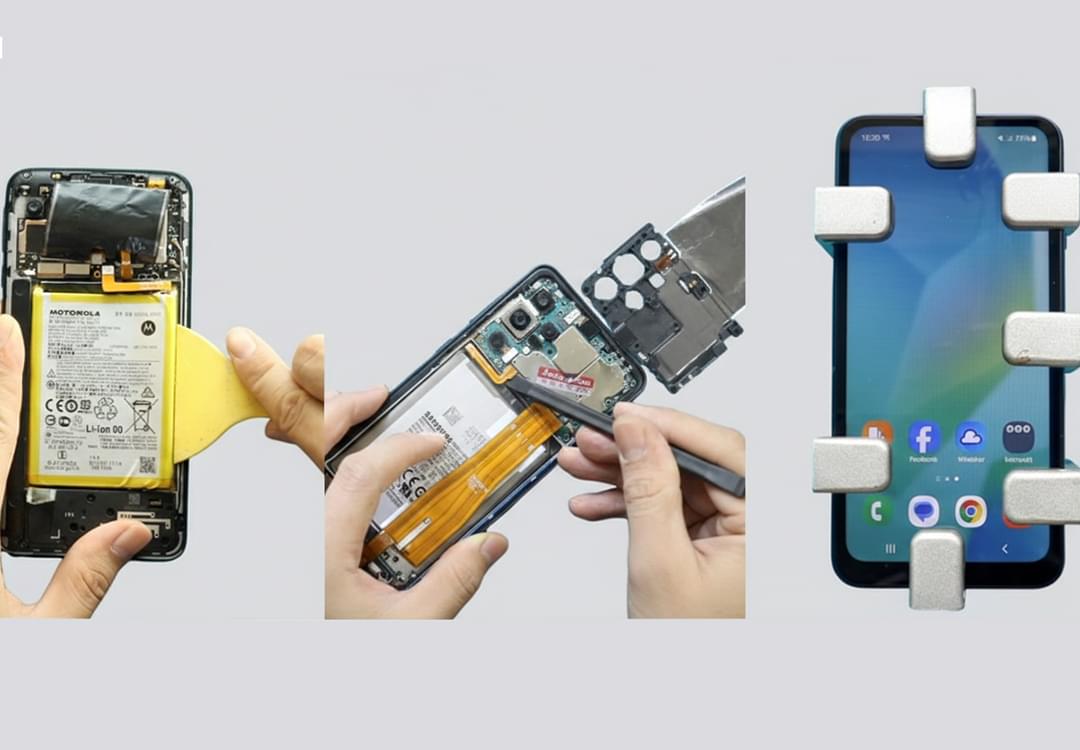
Clamps (Screen & Frame Clamps)
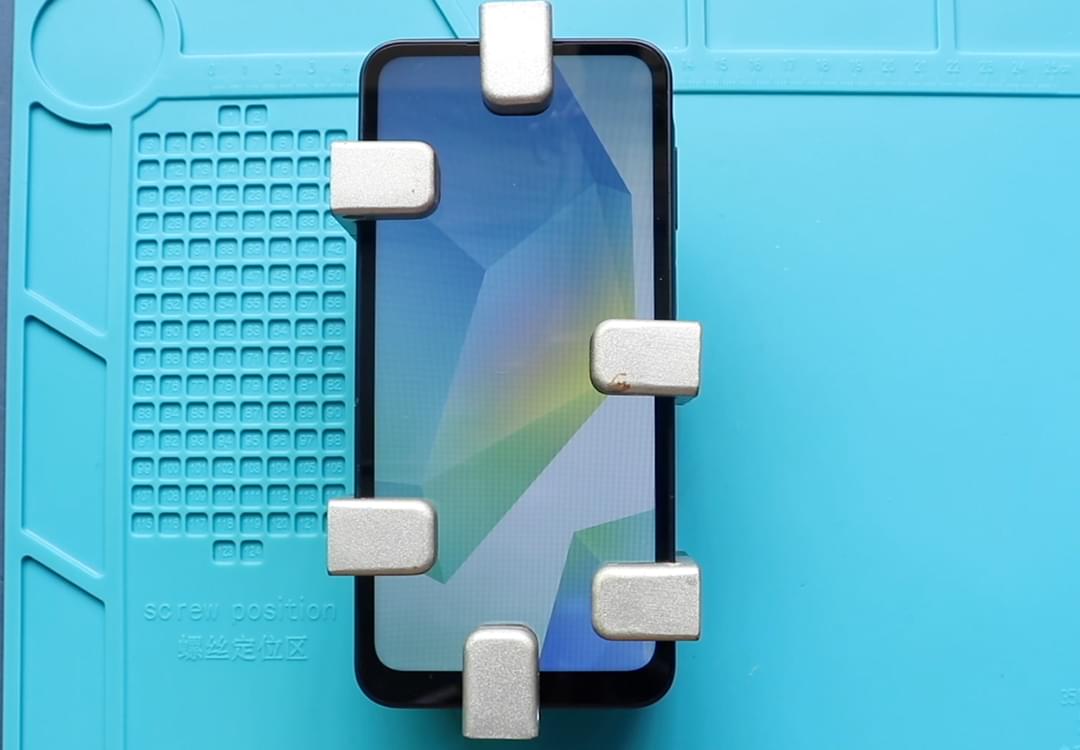
Clamps are used during reassembly to apply even pressure while adhesive cures.
Why clamps matter:
- Ensure proper screen bonding
- Prevent light leaks or lifting edges
- Improve long-term durability
They are especially useful after screen or back cover replacement.
👍 Recommended Clamps For Tablets and Phones

Suction Cup
Suction cups help lift screens and back covers once adhesive has been softened.
Benefits:
- Reduces prying force
- Helps prevent glass cracking
- Essential for screen and back glass removal
Single suction cups work for most phones, while stronger options are better for tablets.
👍 Recommended Suction Cup for Repairs

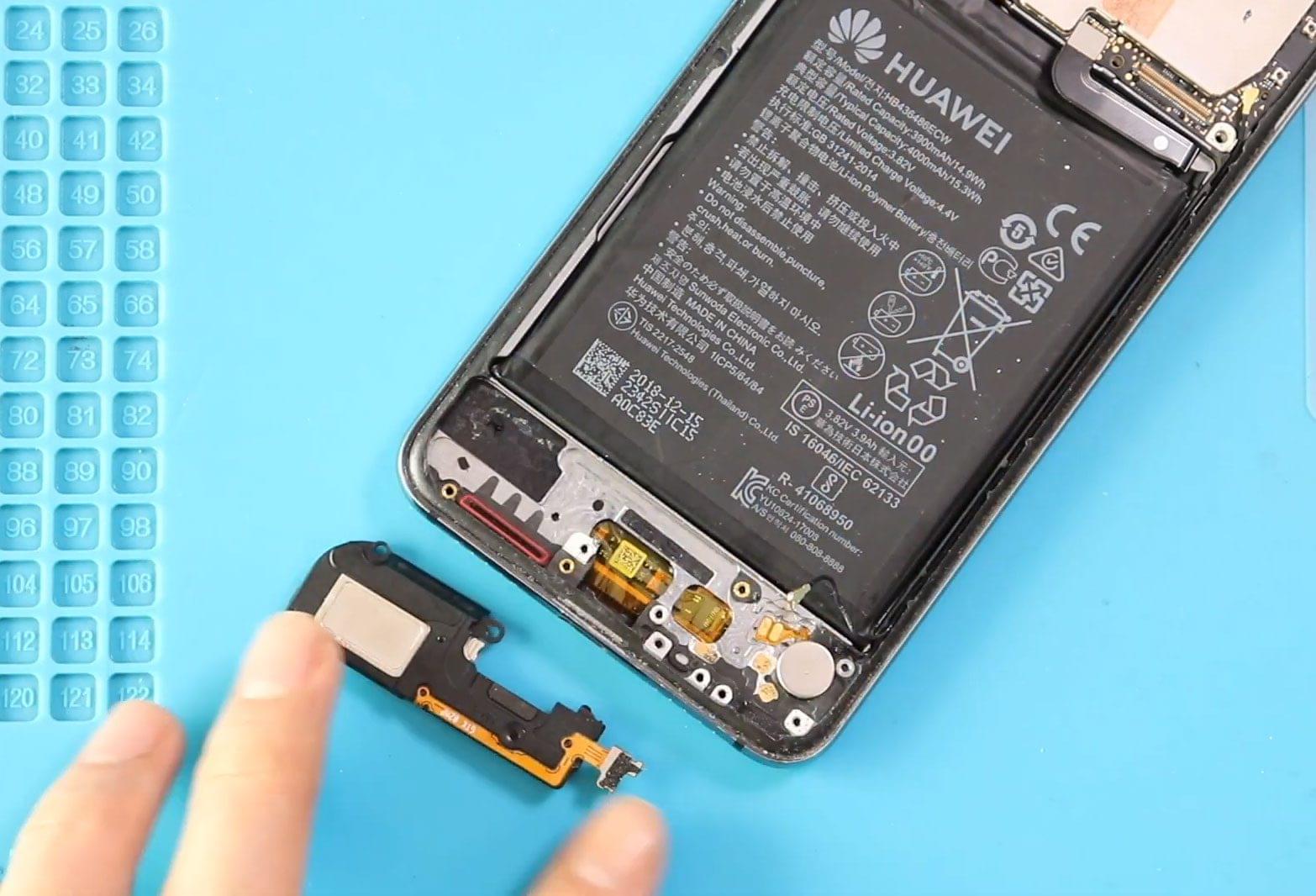
Silicone Work Repair Mat
A silicone repair mat keeps your workspace organized and heat-resistant.
Why it’s useful:
- Holds screws and small parts
- Resists heat from tools
- Improves workflow and cleanliness
Some mats also include magnetic sections for screw management and static protections.
👍 Best Silicone Repair Mat for Your Repair
Glue / Adhesive
Adhesives are required to reseal screens, back covers, and components.
Common types:
- Liquid glue (for screens and frames)
- Pre-cut adhesive strips
Using the correct adhesive ensures proper bonding and durability after repair.
👍This is The Best Adhesive for Tablet and Phone Repairs
👍These Adhesive Strips are great for sealing too

Optional but Very Helpful Tools
Double-Sided Suction Cup
Provides stronger lifting force than a single suction cup, making it useful for:
- Large phones
- Tablets
- Stubborn back glass removal
👍 Recommended Handy Strong Dual Suction cup for you
Phone Screen Separator Opener Clamp
This tool helps apply even separation pressure when opening screens.
Best for:
- Beginners
- Devices with strong adhesive
- Reducing risk of sudden glass cracks
👍 Our Recommended Screen Separator
Phone Blasting Pen (Back Cover Removal Tool)
A phone blasting pen directs controlled heat or airflow to help loosen back glass adhesive.
Useful for:
- Back glass removal
- Spot heating without large heat exposure
Final Thoughts
Using the right repair tools makes phone, tablet, and laptop repairs safer, cleaner, and more successful. Start with the essential tools listed above, then add optional tools as your repair experience grows.
For detailed usage guides, always refer to our dedicated tool tutorials linked above. Choosing proper tools from the start will save time, prevent damage, and improve your overall repair results.
Tip: Good tools are an investment—cheap tools often cost more in the long run due to damaged parts and failed repairs.
Frequently Asked Questions
Q: What are the essential tools needed for phone repairs?
A: Essential tools include a heating pad, heat gun, screwdriver kit, suction cup, clamps, silicone repair mat, and proper adhesive.
Q: Do I need different tools for tablet and laptop repairs?
A: Tablets and laptops often require larger heating pads, stronger suction tools, and extended screwdriver bit sets compared to phones.
Q: Why is a heating pad important for device repairs?
A: Heating pads provide even, controlled heat that softens adhesive safely, reducing the risk of screen cracking or frame damage.
Q: When should I use a heat gun instead of a heating pad?
A: Heat guns are best for spot heating, such as removing small parts, loosening battery adhesive edges, or stubborn back glass areas.
Q: Is a multi-bit screwdriver kit necessary for repairs?
A: Yes. Phones, tablets, and laptops use different screw types, and a multi-bit kit ensures correct fit and prevents screw damage.
Q: Are optional tools required for beginners?
A: Optional tools are not mandatory, but they make repairs easier, safer, and more controlled—especially for larger devices or strong adhesives.
Q: Can cheap tools affect repair quality?
A: Yes. Low-quality tools can strip screws, crack screens, and cause alignment issues, leading to failed or short-lived repairs.