Now Reading: The 6 best tablets for studying
-
01
The 6 best tablets for studying
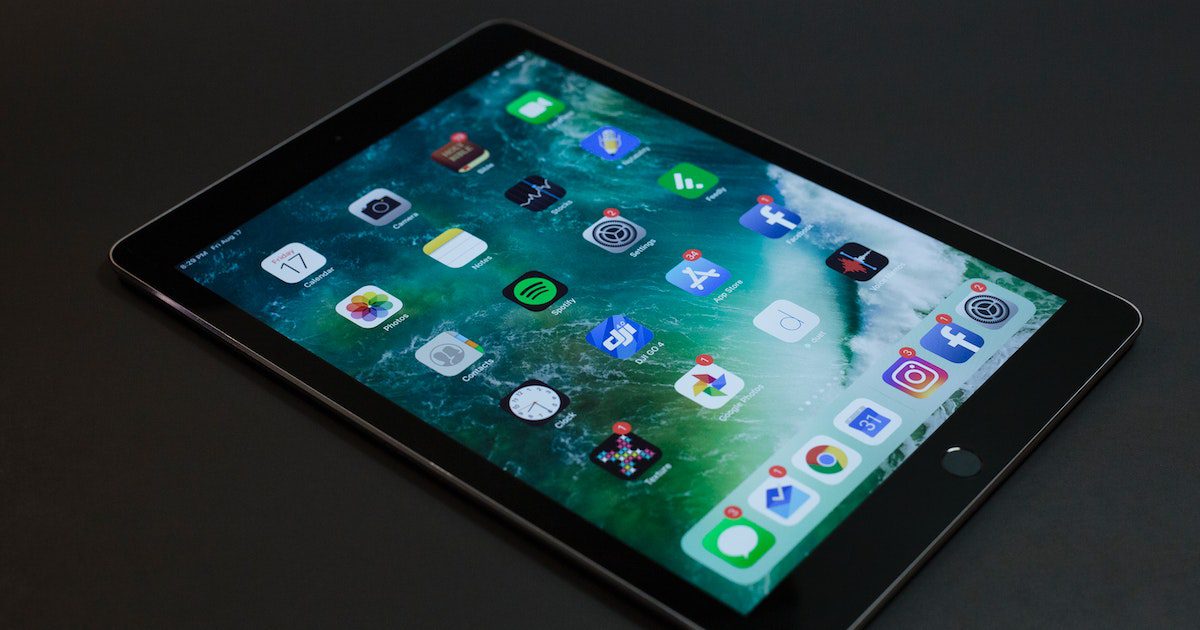

When searching for the best tablets for studying, it is essential to consider a series of criteria that go far beyond price, after all, a good investment can transform your learning experience.
In this guide, we explore the most important aspects when choosing the ideal device to aid your studies. From the processor to the screen resolution, every detail counts.
Check out our tips to make a better decision, after all, a good tablet is not just a tool, but an ally on your path towards academic success. Let’s go?
How to choose a good tablet to study?
When diving into the world of tablets, it’s easy to get lost amidst the multitude of options. However, just like choosing the best tablets for drawing , some key criteria can guide your choice.
Below, we address each of them in a clear and concise way, so you know how to choose your tablet to study on the app or website. Check out!
Processor
The processor acts as the brain of the tablet, being responsible for performing tasks and processing information. When choosing a tablet to study, it is important to look at the type and power of the processor.
Choose a processor that offers a good combination of efficiency and performance. This will ensure that the tablet can handle multiple activities simultaneously, such as running educational apps and browsing the web, without stuttering or slowing down.
Storage
Storage is nothing more than the tablet’s ability to store applications, files, documents and other content.
When choosing a cheap tablet for studying, consider the amount of internal storage available.
Also, check if the tablet allows storage expansion using a MicroSD card, which offers the possibility of increasing the available space.
Accessories and tools
Accessories and tools are additional components that can enhance your learning experience with the best study tablets.
If you are looking for a cheap and functional tablet , make sure the tablet you choose is compatible with useful accessories, such as external keyboards, to make typing work and notes easier.
These accessories play a significant role in your tablet’s productivity and usability.
Extra functions
Some tablets come with extra features that can be particularly useful for students. These can include features like advanced multitasking, reading modes that simulate paper, the ability to split the screen to multitask, and advanced note-taking capabilities.
Size and weight
The size and weight of the tablet play an important role in portability and convenience of use. Choose a tablet that is comfortable to hold and light enough to carry easily.
The balance between size and weight is crucial to ensure the device is convenient in all situations, from the classroom to the daily commute.
screen resolution
Screen resolution refers to the quality of the tablet’s visual display. Opt for a tablet with a high-resolution screen to ensure a pleasant reading and viewing experience.
Make sure your screen resolution suits your study needs, especially if you plan to view detailed content or work with images and graphs.
What are the best tablets for studying?
Now that we have discussed the important criteria when choosing a tablet for studying, let’s explore some of the best options available on the market.
Each of them caters to different needs and budgets, ensuring you find the best tablets for studying. Check out!
Samsung Tab A7 Lite
The Samsung Galaxy Tab A7 Lite is a great tablet option for studying, ideal for those who don’t have many demands.
The functions offered by the Samsung Galaxy Tab A7 Lite are similar to those of other advanced devices, including Wi-Fi connectivity, GPS, multimedia player, video conferencing and Bluetooth.
The internal memory of the Tab A7 Lite is 32 GB, with the possibility of expansion. The touchscreen is 8.7 inches, with a resolution of 1340×800 pixels. The camera has 8 megapixels and the model is very thin, just 8 millimeters wide, which makes it easy to transport.
Xiaomi Pad 5
The Xiaomi Pad 5 has a premium design, competitive hardware and a high-resolution screen. The device has an 11-inch screen, 16:10 aspect ratio and narrow edges. The 8 MP front camera is located at the top.
On the back, the tablet features a metal cover that houses the 13 MP rear camera and hides an 8720 mAh battery.
In terms of hardware, it is equipped with a Qualcomm Snapdragon 860 chipset, 6GB of RAM and 128GB or 256GB storage.
The operating system is MIUI for Pad, a version customized by the brand based on Android 11.
Philco Multitoque
The Philco Multitoque Android 10 Tablet is a complete device, providing access to e-books, web browsing, photo capture.
The Android system is agile and full of features, including artificial intelligence features to improve the user experience.
Additionally, the tablet has built-in Bluetooth 4.2 and Wi-Fi connectivity. The RAM memory is 2 GB, while the internal storage is 32 GB, with the possibility of expansion via MicroSD card of up to 512 GB.
Positive Twist Tab
The Positivo Twist Tab is a basic tablet, with a 1.6 GHz QuadCore processor. The model has 1 GB of RAM and 32 GB of storage. The screen is LCD, measuring 7 inches and with a resolution of 1024×600 pixels.
Positivo Twist Tab includes a MicroSD connector (supporting up to 64 GB), a 3.5 mm headphone jack, and a Micro-USB 2.0 connector for file transfer and charging.
The tablet has Wi-Fi and Bluetooth connectivity, as well as a 2,400 mAh battery. The model weighs 241 grams and its dimensions are 189.2 x 103 x 9.3 mm (with battery).
iPad 9th generation
The Apple iPad 9 is a complete tablet, with a 10.2-inch screen and a high resolution (2160×1620 pixels). The device offers Wi-Fi and GPS connectivity, but uses the UMTS network for data transfer and web browsing.
The internal memory of the 9th generation iPad is generous (256 GB), but does not allow for expansion. The main camera is 8 megapixels, allowing high-resolution photos and Full HD video recording, although it does not have a flash.
The Nokia T20 is a full-fledged Android tablet, with a 10.4-inch touchscreen and 2000×1200 pixel resolution.
The model offers Wi-Fi and GPS connectivity, using the UMTS network for data transfer and web browsing.
The tablet’s internal memory is 64 GB, and allows expansion. The main camera is 8 megapixels, allowing high-resolution photos and Full HD video recording.
Tablet or notebook to study: which is better?
When choosing the best tool for studying, the question arises between tablets and notebooks.
Both have their benefits, but when it comes to practicality, versatility and accessibility, the best tablets for studying, especially the more affordable models, stand out.
For reading, taking notes or accessing educational resources, tablets are a viable and economical option.
List the configurations of the ideal tablet for your studies and choose the model that will meet your needs